
Surgery: Orthopedic
Poodle ACL (Cruciate Ligament) Surgery Cost
TPLO surgery for a Standard Poodle commonly runs $3,500–$6,500 per knee, while extracapsular repair in a smaller Poodle often lands between $1,200 and $3,000.
Extracapsular repair
$1,200–$3,000
TPLO
$3,500–$6,500
Second knee risk
Common
Recovery
8–16 weeks
This page covers the vet bill; insurance pricing is a separate question. For the full pricing picture, including average premiums, what drives them up or down, and real-world sample quotes reviewed September 2026, see our master cost guide: How Much Does Pet Insurance Cost for a Poodle?
The canine cruciate ligament rarely tears the way a human ACL does in one athletic moment. It usually degenerates over time and then fails, often when the dog is doing something completely ordinary. Standard Poodles, as an athletic large breed, are the variety most often facing the bigger version of this surgery.
Two broad approaches dominate. Extracapsular (lateral suture) repair uses a suture outside the joint to stabilize it and is generally reserved for smaller dogs. TPLO changes the geometry of the tibia with a plate and screws and is the common recommendation for larger, active dogs. The price gap between them is wide, and so is the surgical complexity.
Cruciate (ACL/CCL) Repair: Itemized Cost Breakdown
| Line item | Typical range | What drives it |
|---|---|---|
| Lameness exam and drawer test | $70–$200 | Sedation may be required to assess joint laxity properly. |
| Radiographs | $150–$500 | Also used for TPLO planning measurements. |
| Extracapsular repair (small Poodles) | $1,200–$3,000 | Per knee. Typically for dogs under roughly 30 pounds. |
| TPLO (Standard Poodles) | $3,500–$6,500 | Per knee. Includes implant, plate and specialist surgical time. |
| TTA (alternative technique) | $3,000–$5,500 | Offered by some surgeons instead of TPLO; pricing is broadly similar. |
| Post-op rehabilitation | $300–$1,500 | Underwater treadmill and therapy sessions where available. |
| Follow-up radiographs and rechecks | $150–$500 | Confirming bone healing before activity is increased. |
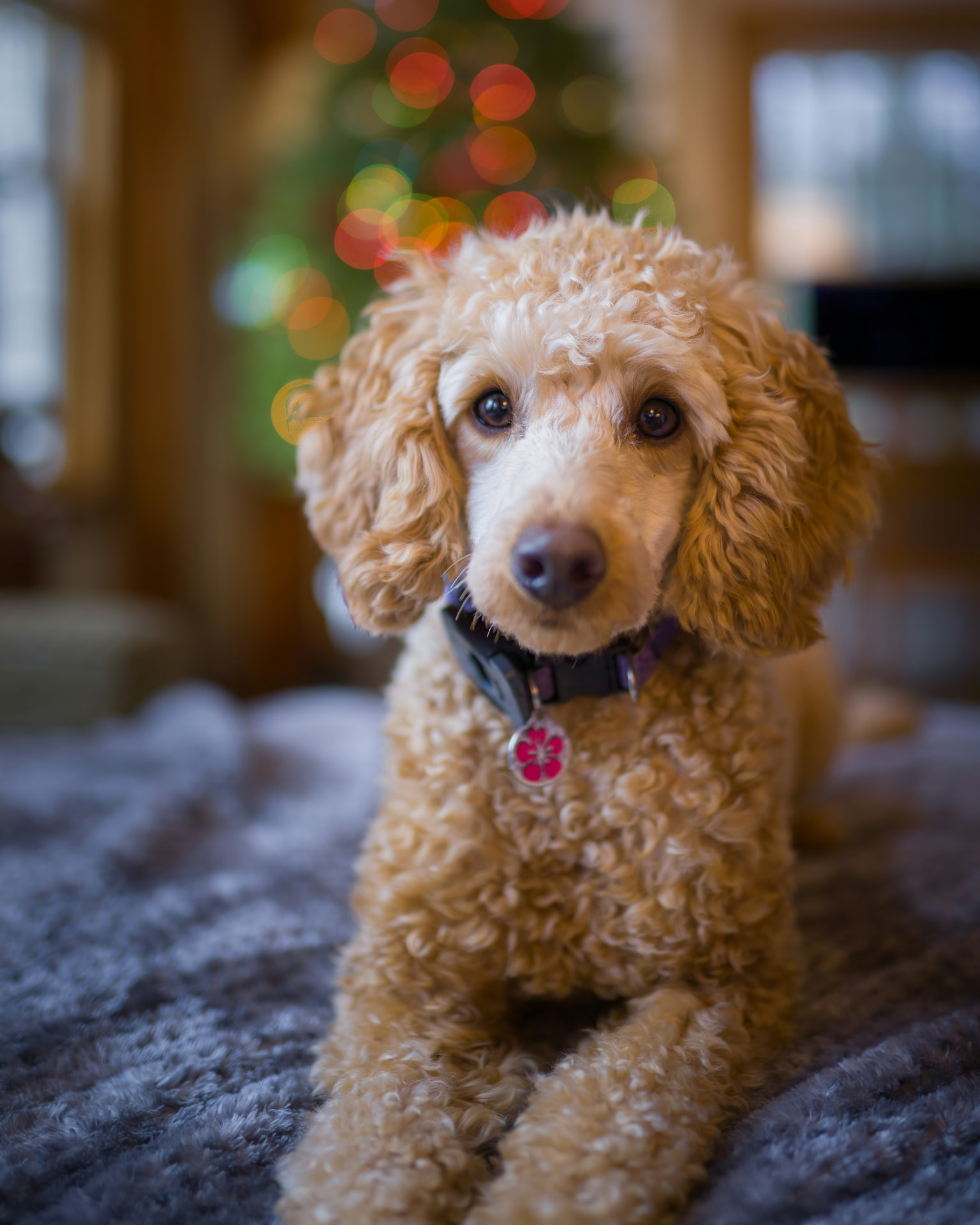
Cost by Poodle Variety
Standard Poodle
$3,500–$6,500 per knee
Most commonly directed toward TPLO because of body weight and activity level. The highest-cost orthopedic scenario in the breed.
Miniature Poodle
$1,500–$3,500 per knee
Often a candidate for extracapsular repair, though some surgeons still recommend TPLO for very active dogs.
Toy Poodle
$1,200–$3,000 per knee
Cruciate disease is less common than patellar luxation in Toys, and the two can occur together.
What Moves the Price
Surgical technique
TPLO involves implants, specialized equipment and usually a specialist, which is why it costs two to three times an extracapsular repair.
Body weight
Heavier Standards need more implant hardware and longer anesthesia than a Toy.
Meniscal damage
If the meniscus is torn, the surgeon must address it, adding time and cost.
Facility
University teaching hospitals and specialty referral centers price differently from general practices offering the procedure.
Rehabilitation intensity
A full formal rehab program can add over a thousand dollars but is often recommended for larger dogs.
How Insurance May Treat This
Cruciate disease is one of the most commonly claimed conditions in pet insurance, and insurers have written the rules accordingly. Extended orthopedic waiting periods, often six months, sometimes waived after an exam, are standard and are the most common reason a first-year claim is declined.
Bilateral clauses matter enormously here because the second knee so often follows the first. If the left knee tore before coverage started, some plans may treat the right knee as part of the same pre-existing condition.
Some policies place a per-condition limit on cruciate claims separate from the annual limit. On a $6,500 TPLO, a $2,500 per-condition cap changes the math completely, so it is worth finding this number before you buy rather than after the diagnosis.
Before You Buy: Questions to Ask
- 1.
Find the orthopedic or cruciate-specific waiting period and note whether an exam can shorten it.
- 2.
Read the bilateral clause and how it defines a second-knee claim.
- 3.
Ask whether a per-condition limit applies on top of the annual limit.
- 4.
Confirm whether rehabilitation, hydrotherapy and follow-up imaging are eligible.
- 5.
Check whether the plan reimburses the specialist rate or a benefit schedule amount.
- 6.
Enroll well before any note about intermittent hind-limb lameness appears in the record.
Founder's Note: Allen Lee
If you have an active Standard, plan for this one financially even if it never happens. It is the single most expensive routine orthopedic event I see in large dogs, and the second knee is a genuine possibility rather than bad luck. Keeping a Standard lean is the least glamorous and most useful thing you can do about it.
Cruciate (ACL/CCL) Repair: Frequently Asked Questions
Compare Poodle Insurance Before the Bill Arrives
Coverage for hereditary and breed-specific conditions varies widely between insurers. Comparing plans while your Poodle is healthy is what keeps these costs claimable.
Advertiser disclosure: poodleinsurance.com is an independent comparison website, not an insurance company, agency, or producer. We do not sell, issue, or bind policies. We may earn a commission when you click carrier links, at no cost to you. Learn more about our review process.