
Miniature vs. Standard Poodle Insurance: How Size Affects Coverage
Same breed, different size — but wildly different insurance profiles. Here's how Miniature and Standard Poodle coverage compares.
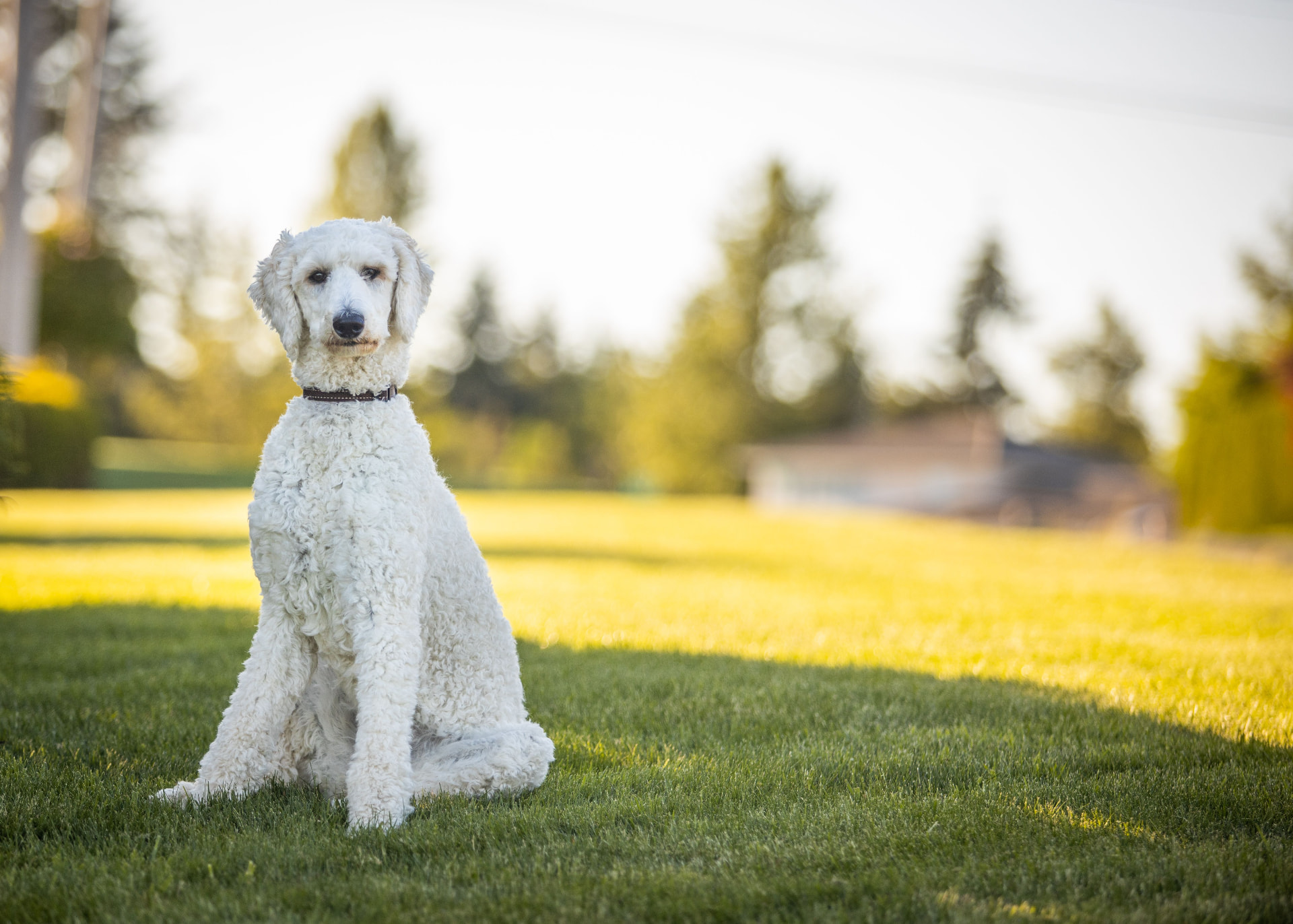
Size Matters in Poodle Insurance
Miniature Poodles (10–15 inches, 10–15 lbs) and Standard Poodles (over 15 inches, 40–70 lbs) share the same breed genetics but their size difference creates distinct health profiles and insurance cost structures. Standards cost 30–50% more to insure than Miniatures. [1][4]
This isn't just about medication dosage — larger dogs face higher surgical costs, greater orthopedic risk, and shorter lifespans, all of which factor into premium calculations. [1][2]
Premium Comparison
Miniature Poodle insurance averages $30–$60/month for comprehensive coverage. Standard Poodle insurance runs $45–$80/month. The gap widens with age — by age 8, a Standard may cost twice as much as a Miniature to insure. [1][4]
Both varieties benefit from early enrollment. A Miniature enrolled at 10 weeks might pay $30/month; the same dog at 3 years pays $45–$55. Standards see even steeper age-related increases due to higher baseline risk. [1][4]
Standard Poodle-Specific Risks
Standards face elevated risk for conditions directly tied to their larger frame: hip dysplasia (surgery $3,500–$7,000/hip), gastric dilatation-volvulus/bloat (emergency surgery $2,000–$5,000), and Addison's disease (lifetime cost $8,000–$30,000+). These three conditions are one reason some owners compare comprehensive policies. [1][2]
Standards also have shorter lifespans (10–13 years vs 14–18 for Miniatures), meaning conditions tend to manifest earlier and progress more quickly. Policies with short waiting periods for hereditary conditions are especially important. [1][2]
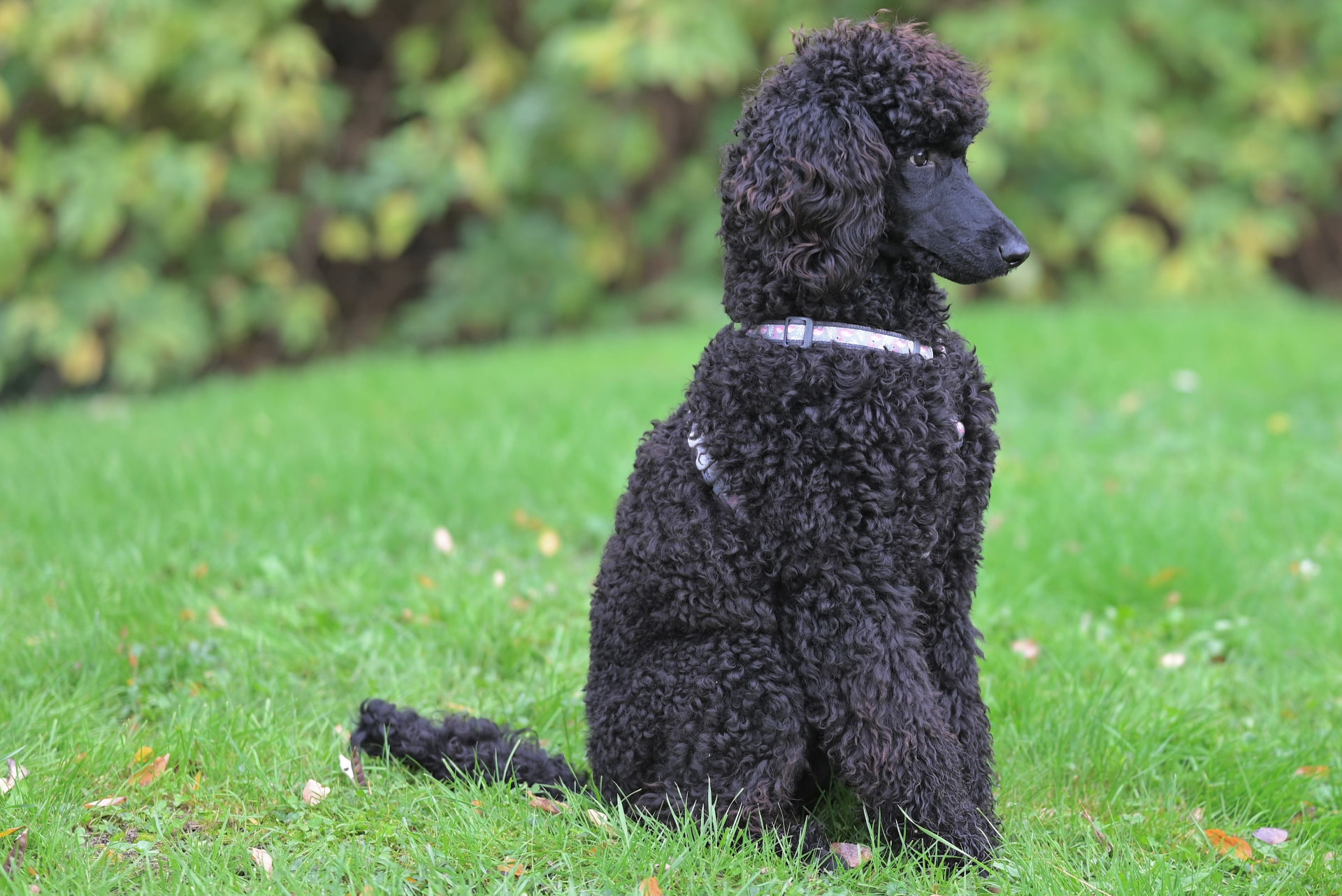
Miniature Poodle-Specific Risks
Miniatures share many Poodle-breed risks but add conditions related to their smaller size: patellar luxation (surgery $1,500–$3,500/knee), Legg-Calvé-Perthes disease (hip degeneration costing $1,000–$3,000), and higher epilepsy incidence. [1][2]
Dental disease is also more prevalent in Miniatures due to tooth crowding. While dental cleanings are typically excluded from standard policies, dental disease requiring extraction is usually covered. Consider a wellness add-on for preventive dental care. [1][2]
Related Reading
Coverage for Your Poodle
Compare plans that cover breed-specific conditions.
Review coverage options for hereditary risks like Addison's, hip dysplasia, and more — no obligation.
Advertiser disclosure: poodleinsurance.com is an independent comparison website — not an insurance company, agency, or producer. We do not sell, issue, or bind policies. We may earn a commission when you click carrier links, at no cost to you. Learn more about our review process.
Shared Risks Across All Sizes
Both Miniature and Standard Poodles share elevated risk for progressive retinal atrophy (PRA), sebaceous adenitis (a skin condition requiring ongoing treatment at $1,000–$3,000/year), and Addison's disease (though more common in Standards). [1][2]
When comparing Poodle insurance policies, it can be useful to review how hereditary and congenital conditions, ophthalmology, dermatology, and endocrine disorders are handled. Premiums and exclusions may vary by provider. [1][2]
How the Value Equation Differs
Miniature Poodles offer lower premiums and longer lifespans, but total lifetime insurance spend can be comparable due to 4–6 extra years of coverage. A Miniature insured for 16 years at $40/month totals $7,680; a Standard insured for 12 years at $60/month totals $8,640. [1][4]
The value calculation depends on risk tolerance. Standards face more catastrophic conditions (bloat, Addison's) with higher per-incident costs. Miniatures face more chronic conditions (patellar luxation, dental) with lower per-incident but higher lifetime costs. [1][2]

Ready to Compare?
See which plans cover the conditions discussed above.
Insurance Claim Patterns by Size
Miniature and Standard Poodles generate fundamentally different claim patterns that influence how insurance delivers value. Standard Poodles tend toward fewer but more expensive claims — a single bloat surgery ($4,000+), one hip replacement ($6,000+), or an Addisonian crisis ($3,000–$5,000). These catastrophic events are where insurance provides its highest per-claim ROI. [1][2]
Miniature Poodles generate more frequent, moderate-cost claims — recurring ear infections ($150–$300/episode, 3–4 times/year), patellar luxation management ($500–$3,500), chronic dental issues ($300–$2,000/year), and skin allergy treatments ($1,000–$3,000/year). Individually, each claim is smaller, but the cumulative annual total often matches or exceeds what Standard Poodle owners spend. [1][2]
This difference affects optimal deductible choice. Standard Poodle owners may tolerate a higher per-incident deductible since they're protecting against fewer, larger events. Miniature Poodle owners benefit from lower annual deductibles that are met quickly with frequent claims, maximizing reimbursement throughout the year. [1][4]
Growth Rate and Enrollment Timing Differences
Standard Poodle puppies grow from approximately 8 lbs at 8 weeks to 50–70 lbs by 12 months — a growth rate that stresses developing joints and creates early windows for orthopedic screening. Enrolling a Standard Poodle puppy before the 4-month hip evaluation is particularly important, as findings during this screening could trigger pre-existing exclusions for hip dysplasia. [1][2]
Miniature Poodle puppies reach adult size (10–15 lbs) by 9–12 months with less skeletal stress. However, patellar luxation can be detected as early as 8–12 weeks during routine puppy examinations. A veterinarian who notes even grade 1 luxation (manually detectable but self-correcting) during a well-puppy visit may inadvertently create a pre-existing condition flag. [1][2]
For both sizes, the optimal enrollment window is before the first veterinary visit — ideally at 8 weeks when the puppy comes home. This ensures that all waiting periods expire before routine screening generates records that could affect coverage. The few hundred dollars in premiums paid during waiting periods is a small price compared to potential lifetime exclusions. [1][4]
Lifespan Differences and Total Insurance Value
Miniature Poodles live 14–18 years; Standard Poodles live 10–13 years. This 4–6 year lifespan difference profoundly affects total insurance investment and value. A Miniature Poodle insured from age 1 to 16 at $45/month pays $8,100 in total premiums. A Standard Poodle insured from age 1 to 12 at $65/month pays $8,580. Despite different monthly costs, lifetime totals are remarkably similar. [1][4]
The extended Miniature Poodle lifespan also means more years in the high-cost senior phase. Veterinary costs increase significantly after age 10 — and a Miniature Poodle may spend 6–8 years in this expensive phase versus 2–3 years for a Standard. Age-related conditions including cognitive dysfunction, Cushing's disease, and cancer accumulate costs that compound with each additional year. [1][2]
This longevity factor means Miniature Poodle owners should pay particular attention to lifetime coverage limits. A $50,000 lifetime cap that seems adequate for a 12-year Standard Poodle may prove insufficient for a 16-year Miniature generating moderate claims over 6–8 senior years. A plan advertised with unlimited lifetime coverage may reduce this risk, subject to policy terms. [1][4]
Miniature vs. Standard Poodle Insurance: Key Differences
Direct comparison of insurance costs, health risks, and coverage priorities between the two larger Poodle varieties.
Data based on publicly available plan documents reviewed September 2026. Terms may have changed since — confirm current details with the insurer before you buy.
| Provider | Hereditary Coverage | Waiting Period | Reimbursement | Annual Limit | Our Editorial Take |
|---|---|---|---|---|---|
| Monthly Premium Range | — | — | — | Standard: $45–$78 | Mini: $30–$55 |
| Top Orthopedic Risk | Hip dysplasia (12.3%) | — | — | Standard: $3,500–$7,000/hip | Mini: $1,500–$3,500/knee |
| Top Hereditary Risk | Addison's (8.6%) | — | — | Standard: $15,000+ lifetime | Mini: PRA $2,000–$4,000 |
| Emergency Risk | Bloat/GDV (5.3%) | — | — | Standard: $3,000–$7,500 | Mini: Epilepsy $8K–$25K |
| Avg. Lifespan | — | — | — | Standard: 10–13 years | Mini: 12–15 years |
| Lifetime Vet Costs | — | — | — | Standard: $20K–$80K+ | Mini: $15K–$55K |
Standard Poodles face higher per-incident costs due to larger body weight (affecting medication dosing and surgical complexity), while Miniatures accumulate costs over longer lifespans. Both varieties benefit from unlimited annual coverage and hereditary condition inclusion.
Miniature vs Standard Poodle Insurance Comparison
Frequently Asked Questions
Interactive Tool
What would insurance cost for your Poodle?
Get a personalized monthly premium estimate based on your Poodle's size variety and age — with a breakdown of the breed-specific health risks that drive costs.
Try the Cost Calculator →Allen Lee, Founder, Best Dog Insurance LLC
Founder, Best Dog Insurance LLC · Published March 4, 2026 · 12 min read
Last reviewed June 17, 2026
Veterinary facts checked against AVMA and AKC breed health data · See our editorial standards
Editorial note
This article is intended as educational content for owners comparing policy terms, breed-specific health risks, and cost considerations. It is not veterinary, legal, or insurance advice.
Sources & citations
References supporting the health, insurance, and cost claims in this article.
Show 4 references
- ↗
[1]AKC Poodle breed health reference
American Kennel Club
Breed background, health risks, and Poodle-specific context.
- ↗
[2]NAPHIA industry data and pet insurance market reference
North American Pet Health Insurance Association
Premium context, claims framing, and insurance market conventions.
- ↗
[3]OFA orthopedic and inherited disease screening reference
Orthopedic Foundation for Animals
Orthopedic risk factors, screening, and inherited-condition context.
- ↗
[4]CHIC breed health testing guidance
Canine Health Information Center
Breed-specific screening standards and inherited-condition review.
Continue Reading
Poodle Insurance Providers Compared: Coverage for Breed-Specific Conditions
Not all pet insurance handles Poodle health risks the same way. Here's how six major providers approach hereditary conditions, waiting periods, and breed-specific coverage.
Read article →HealthPoodle Health Guide: Common Conditions and Cost Considerations
Poodles are elegant and intelligent, but their refined genetics come with specific health vulnerabilities. Here's everything you need to know to protect your companion.
Read article →GuideWhen to Get Pet Insurance for Your Poodle Puppy
Timing can affect pet insurance pricing and eligibility. Here's a practical look at when many owners enroll a Poodle puppy and what waiting may change.
Read article →