
Poodle Health Guide: Common Conditions and Cost Considerations
Poodles are elegant and intelligent, but their refined genetics come with specific health vulnerabilities. Here's everything you need to know to protect your companion.
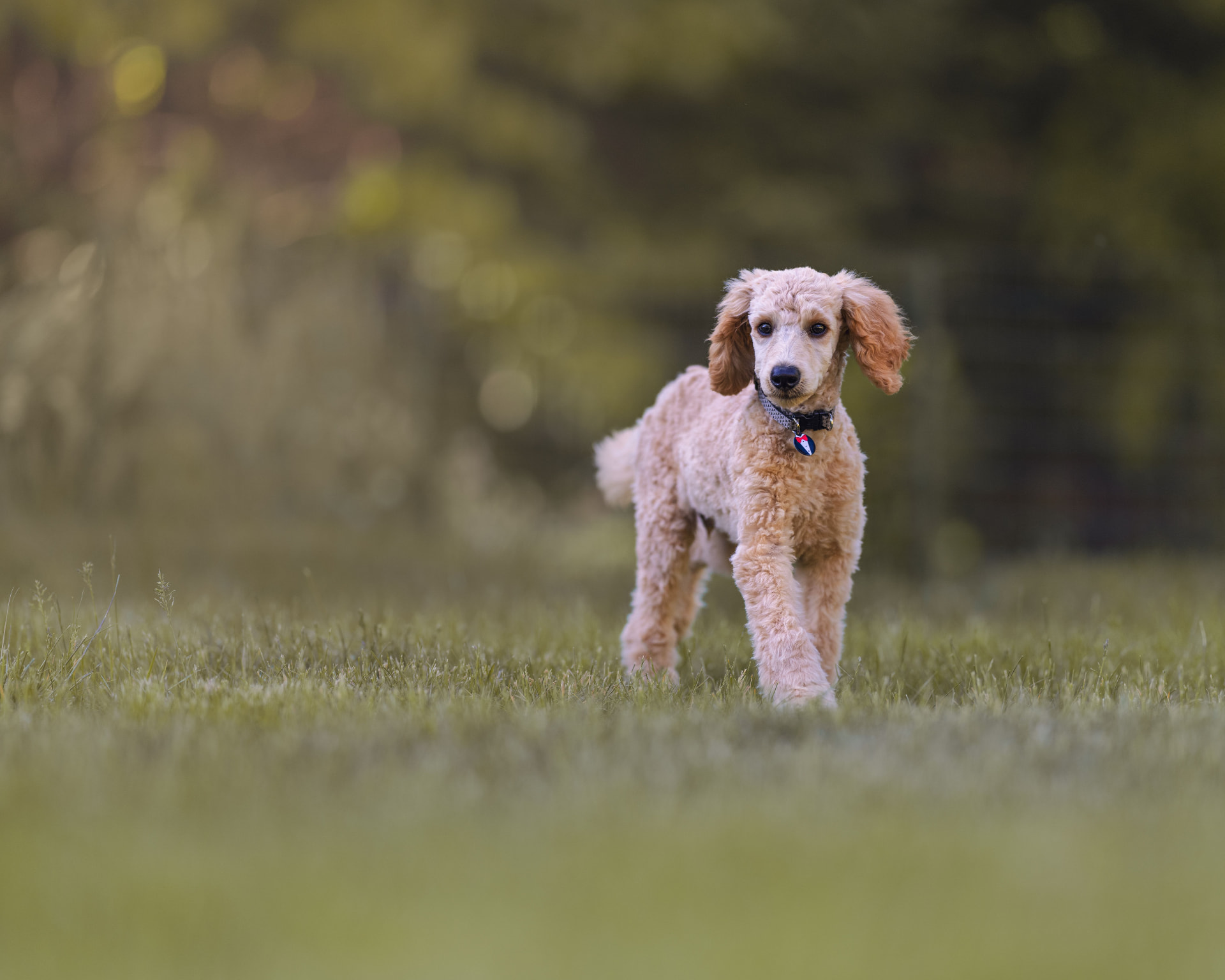
Why Poodles Need Specialized Health Awareness
Poodles consistently rank among the most intelligent dog breeds, but their genetic lineage also carries a documented set of health predispositions. Whether you own a Standard, Miniature, or Toy Poodle, understanding these conditions can support both care decisions and financial planning. [1][2]
A single emergency visit for bloat can cost $5,000 or more. Addison's disease requires lifelong medication. Progressive retinal atrophy can lead to blindness. These aren't rare outliers — they're known breed risks that every Poodle owner should prepare for. [1][2]
Addison's Disease (Hypoadrenocorticism)
Addison's disease occurs when the adrenal glands fail to produce sufficient hormones. Poodles, especially Standards, are genetically predisposed to this condition. Symptoms include lethargy, vomiting, weight loss, and in severe cases, an Addisonian crisis that requires emergency hospitalization. [1][2]
Initial diagnostics and treatment typically cost $2,000–$5,000, with ongoing monthly medication costing $50–$200. Over a Poodle's lifetime, Addison's can cost $15,000 or more, which is why many owners review coverage terms for chronic conditions carefully. [1][2]
Hip Dysplasia
While often associated with larger breeds, hip dysplasia is common in Standard Poodles. This condition occurs when the hip joint doesn't develop properly, leading to arthritis and pain. Surgery, including total hip replacement, can cost $3,500–$7,000 per hip. [1][2]
Early screening through the Orthopedic Foundation for Animals (OFA) can identify at-risk dogs. When comparing policies, review whether hereditary orthopedic conditions are included and whether waiting periods apply. [1][2]
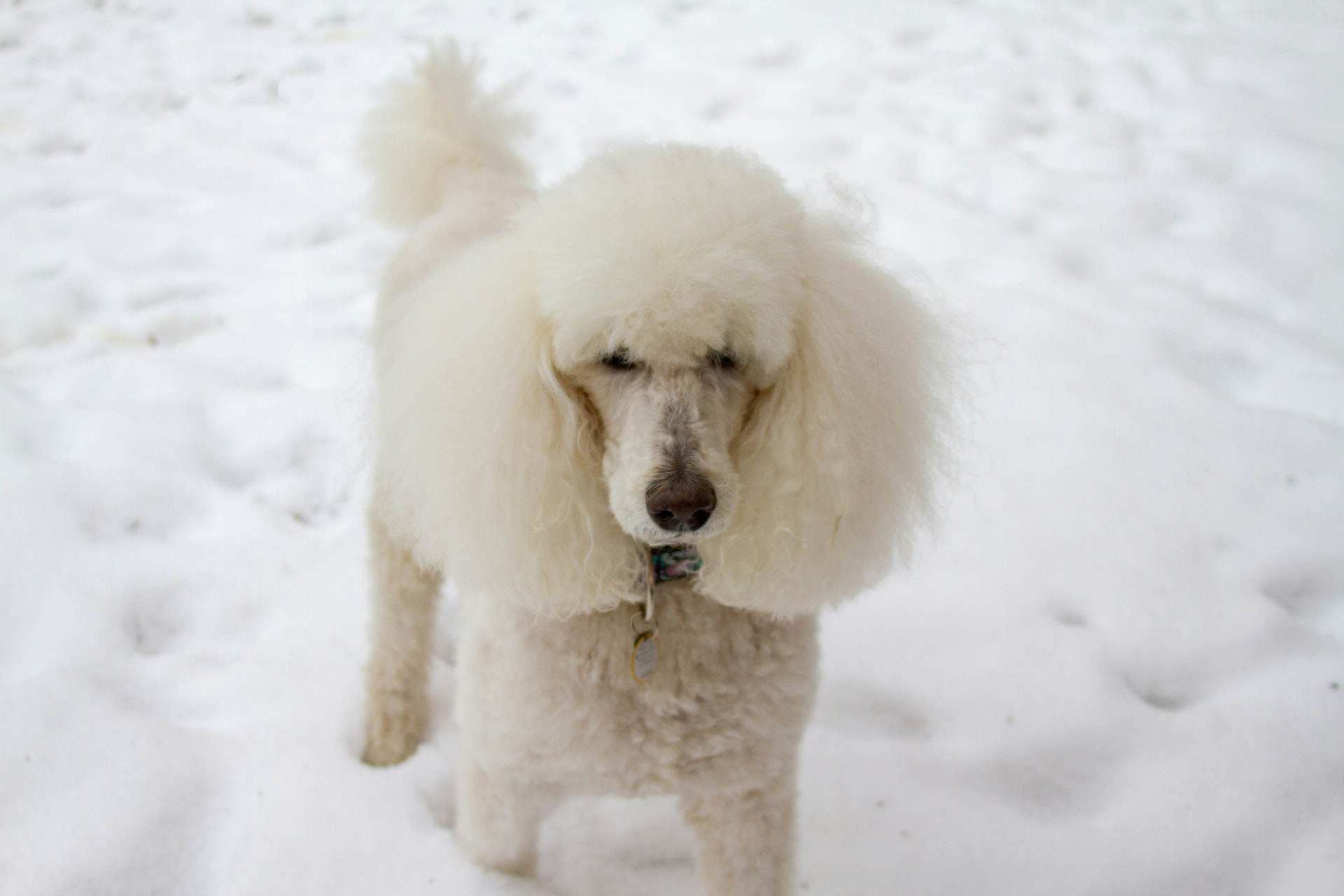
Progressive Retinal Atrophy (PRA)
PRA is a group of genetic diseases that cause the retina to deteriorate, eventually leading to blindness. All three Poodle sizes are at risk. While there is no cure, genetic testing can identify carriers before breeding. [1][2]
Veterinary ophthalmologist visits and diagnostics typically cost $1,500–$3,000. Coverage for hereditary eye conditions may help offset specialist costs, depending on the policy. [1][2]
Gastric Dilatation-Volvulus (Bloat)
Bloat is a life-threatening emergency where the stomach fills with gas and rotates. Standard Poodles are among the breeds at highest risk. Without immediate surgery, bloat is fatal. Emergency treatment costs $2,000–$5,000. [1][2]
Preventive gastropexy surgery during spaying or neutering may reduce risk. If coverage matters to you, review whether a policy addresses emergency bloat treatment, preventive procedures, or both. [1][2]
Related Reading
Coverage for Your Poodle
Compare plans that cover breed-specific conditions.
Review coverage options for hereditary risks like Addison's, hip dysplasia, and more — no obligation.
Advertiser disclosure: poodleinsurance.com is an independent comparison website — not an insurance company, agency, or producer. We do not sell, issue, or bind policies. We may earn a commission when you click carrier links, at no cost to you. Learn more about our review process.
How Insurance Transforms These Risks
Some owners use pet insurance to budget for breed-specific health risks, while others prefer savings-based approaches. Comparing likely treatment costs against premiums, deductibles, and exclusions can help you evaluate which option fits your situation. [1][2]
When choosing a policy, compare whether hereditary and congenital conditions are included, how annual payouts are structured, and whether per-incident caps apply. For Poodle owners, those details can materially affect out-of-pocket costs. [1][2]

Sebaceous Adenitis: The Poodle-Specific Skin Condition
Sebaceous adenitis (SA) is an inflammatory condition that destroys the sebaceous glands in the skin. Standard Poodles have the highest breed prevalence — estimated at 2.5% — making SA one of the most distinctive breed-specific risks. Symptoms typically emerge between ages 1 and 5, beginning with silvery-white scales adhering to the hair shaft, progressive hair loss, and a distinctive musty odor. [1][2]
Diagnosis requires a skin punch biopsy ($500–$1,000). Treatment is lifelong and labor-intensive: regular oil soaking baths with mineral oil and propylene glycol ($50–$100/month in supplies), essential fatty acid supplementation ($30–$60/month), and for severe cases, cyclosporine therapy ($100–$300/month). Annual management costs range from $1,500–$5,000+, making SA one of the more expensive chronic conditions Poodle owners face. [1][2]
When reviewing insurance options, confirm that chronic dermatological conditions are covered without annual sub-limits. Some policies cap dermatology-related claims at $1,000–$2,000 per year — far below the actual cost of managing sebaceous adenitis in a Standard Poodle. [1][2]
Ready to Compare?
See which plans cover the conditions discussed above.
Epilepsy and Seizure Disorders
Idiopathic epilepsy is one of the most common neurological conditions in Poodles, particularly affecting Miniature and Toy varieties. Seizures typically first appear between ages 1 and 5. While the condition is manageable with medication, it requires lifelong treatment and periodic emergency care for breakthrough seizure events. [1][2]
Initial diagnostic workup — including blood panels, neurological examination, and potentially MRI — can cost $2,500–$5,000. Ongoing anticonvulsant medication (phenobarbital, levetiracetam, or potassium bromide) runs $80–$150 per month, with twice-yearly monitoring bloodwork adding $200–$400 annually. Lifetime epilepsy management often totals $8,000–$25,000. [1][2]
Emergency hospitalizations for status epilepticus (prolonged seizures) cost $1,500–$5,000 per episode. Even well-managed epileptic Poodles may experience 1–2 emergency events per year. Reviewing how a policy handles neurological conditions, prescription medication, and emergency hospitalization is worth doing before you need to file a claim. [1][2]
Patellar Luxation in Miniature and Toy Poodles
Patellar luxation — where the kneecap slips out of its normal position — is particularly common in Miniature and Toy Poodles. The condition affects an estimated 8–15% of smaller Poodle varieties and often presents between 4 months and 2 years of age. Mild cases may only require monitoring, but moderate to severe luxation typically needs surgical correction at $1,500–$3,500 per knee. [1][2]
Bilateral luxation (both knees affected) is common, potentially doubling treatment costs to $3,000–$7,000. Post-surgical rehabilitation, including physical therapy sessions ($50–$100 each) and recovery management, adds $500–$1,500 to total costs. Many insurers impose orthopedic waiting periods of 14 days to 6 months, making early enrollment especially important for smaller Poodle varieties. [1][2]
Building a Lifetime Health Budget for Your Poodle
Over a Poodle's 10–18 year lifespan (varying by size), total veterinary costs commonly range from $15,000 to $80,000+. Standard Poodles tend toward the higher end due to more expensive surgical conditions and higher medication dosages. Toy Poodles have lower per-incident costs but longer lifespans, which can produce similar lifetime totals. [1][2]
A practical approach is to combine insurance with a dedicated savings buffer. Insurance handles the large, unpredictable expenses — a $7,000 hip replacement, a $5,000 bloat surgery, a $25,000 lifetime of Addison's medication — while savings covers deductibles, copays, and wellness care. The goal is never to face a treatment decision driven by cost rather than what is best for your companion. [1][2]
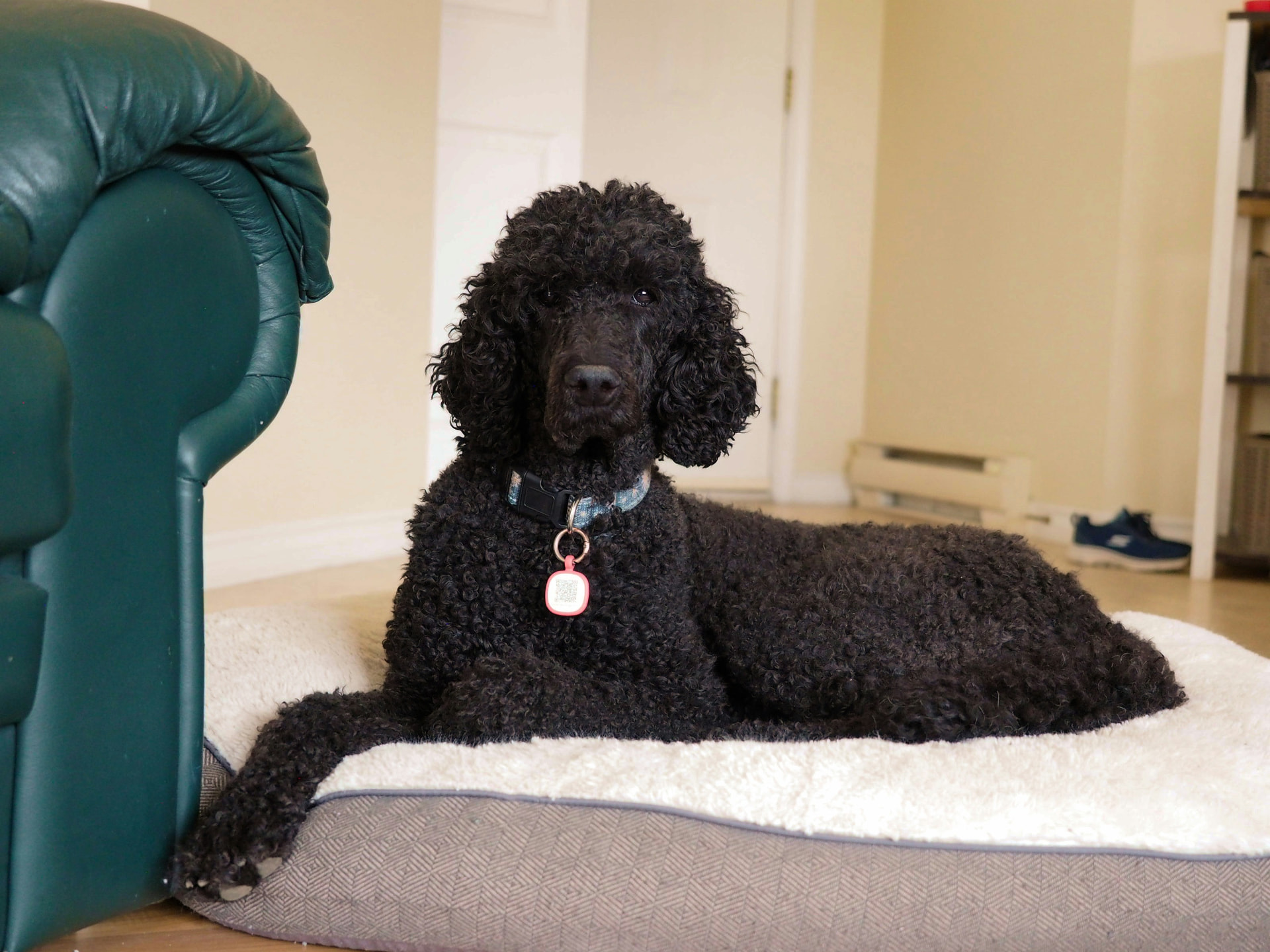
Related Comparison
How do major providers handle this condition?
Compare features first — hereditary condition coverage, orthopedic waiting periods, and annual limits — then see how Trupanion, Healthy Paws, Embrace, Fetch, Lemonade, and AKC Pet Insurance described those features in plan documents we reviewed in September 2026.
View Provider Comparison →Poodle Health Condition Treatment Costs
| Condition | Initial Diagnosis | Treatment/Surgery | Lifetime Cost |
|---|---|---|---|
| Addison's Disease | $2,000–$5,000 | $600–$2,400/yr medication | $15,000–$30,000+ |
| Hip Dysplasia | $200–$400 (X-rays) | $3,500–$7,000/hip | $7,000–$14,000 |
| Progressive Retinal Atrophy | $1,500–$3,000 | No cure (management) | $3,000–$6,000 |
| Bloat (GDV) | Emergency | $2,000–$5,000 surgery | $2,000–$5,000 |
| Epilepsy | $2,500–$5,000 | $80–$150/mo medication | $8,000–$25,000 |
| Sebaceous Adenitis | $500–$1,000 | $1,000–$3,000/yr | $10,000–$20,000+ |
Costs are estimates based on 2026 US veterinary pricing. Actual costs vary by location and severity.
Frequently Asked Questions
Interactive Tool
What would insurance cost for your Poodle?
Get a personalized monthly premium estimate based on your Poodle's size variety and age — with a breakdown of the breed-specific health risks that drive costs.
Try the Cost Calculator →Explore In-Depth Guides
Allen Lee, Founder, Best Dog Insurance LLC
Founder, Best Dog Insurance LLC · Published February 15, 2026 · 14 min read
Last reviewed June 10, 2026
Veterinary facts checked against AVMA and AKC breed health data · See our editorial standards
Editorial note
This article is intended as educational content for owners comparing policy terms, breed-specific health risks, and cost considerations. It is not veterinary, legal, or insurance advice.
Sources & citations
References supporting the health, insurance, and cost claims in this article.
Show 5 references
- ↗
[1]AKC Poodle breed health reference
American Kennel Club
Breed background, health risks, and Poodle-specific context.
- ↗
[2]CHIC breed health testing guidance
Canine Health Information Center
Breed-specific screening standards and inherited-condition review.
- ↗
[3]Merck Veterinary Manual internal medicine reference
Merck Veterinary Manual
Clinical background for endocrine, gastrointestinal, and chronic disease topics.
- ↗
[4]OFA orthopedic and inherited disease screening reference
Orthopedic Foundation for Animals
Orthopedic risk factors, screening, and inherited-condition context.
- ↗
[5]PubMed veterinary literature reference
PubMed
Published veterinary research and prevalence context for breed-related conditions.
Continue Reading
Addison's Disease in Poodles: Costs and Coverage Considerations
Addison's disease can be one of the more expensive health risks for Poodle owners. Here's what to look for when reviewing coverage details.
Read article →HealthPoodle Hip Dysplasia: Treatment Options, Costs & Coverage Considerations
Hip dysplasia can be one of the more expensive conditions Standard Poodle owners face. Here's what treatment may cost and what policy details to review.
Read article →HealthStandard Poodle Bloat: Prevention, Treatment & Coverage Considerations
Bloat can be life-threatening for Standard Poodles. Here's how prevention, emergency treatment, and policy details are commonly discussed.
Read article →