
When to Get Pet Insurance for Your Poodle Puppy
Timing can affect pet insurance pricing and eligibility. Here's a practical look at when many owners enroll a Poodle puppy and what waiting may change.
The Early Enrollment Advantage
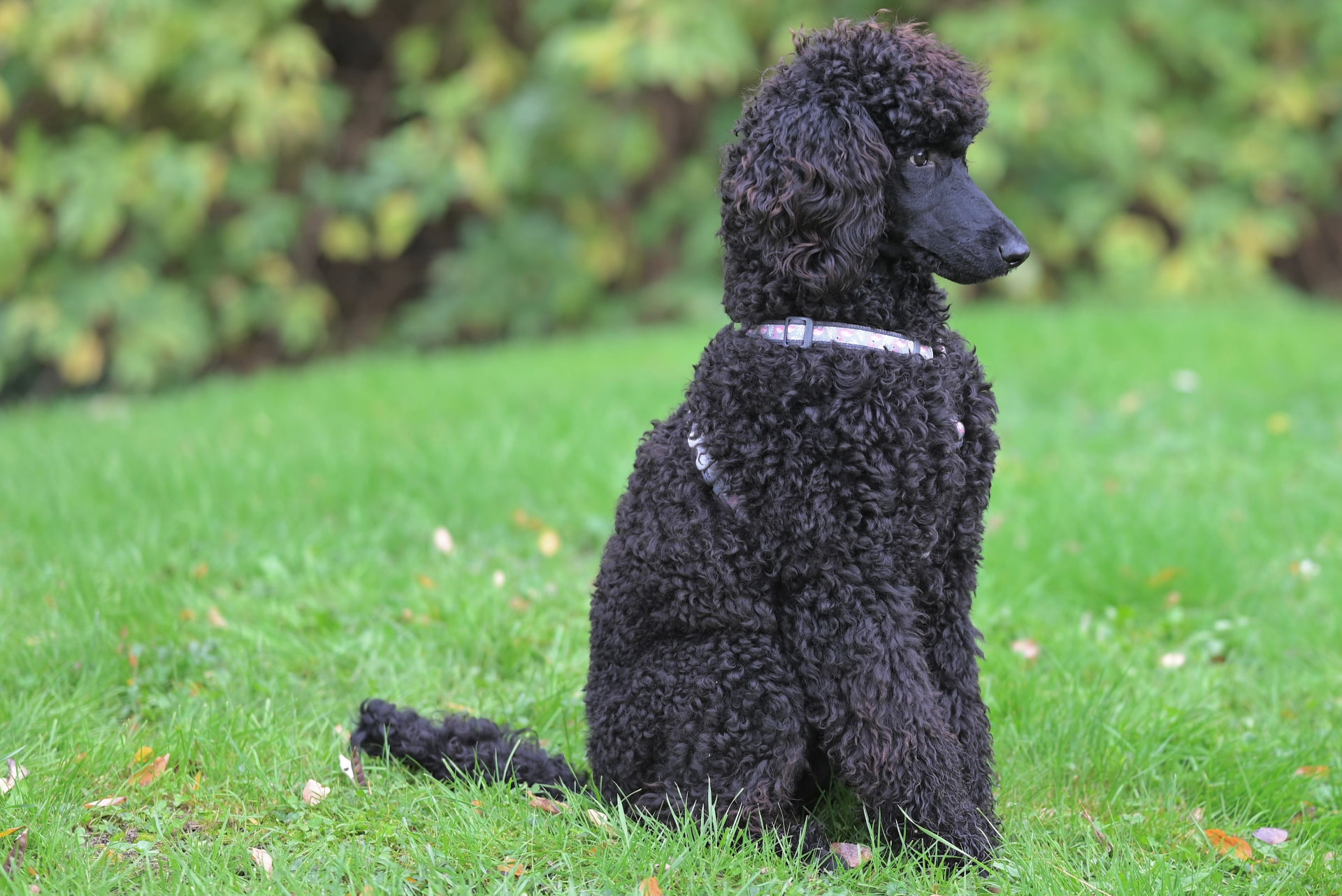
One major insurance decision is when you enroll. Puppies enrolled between 8 weeks and 6 months old often see lower premiums than older dogs, and early enrollment may reduce the chance that future conditions are treated as pre-existing. [1][2]
Waiting can increase the chance that a condition is documented before coverage begins. If a puppy is diagnosed with luxating patella early, future policies may treat that condition as pre-existing, which can affect reimbursement for surgery costs that may exceed $3,000. [1][2]
The Cost of Waiting: Real Numbers
For a Standard Poodle, enrolling at 8 weeks vs. 2 years old can mean the difference between roughly $45/month and $65/month — about $240/year in added premiums, before considering how exclusions may change coverage value. Over a 12-year span, that gap could add up to roughly $2,880 in premiums alone. These are illustrative estimates drawn from published carrier quote ranges, not a quote; actual pricing varies by ZIP code, deductible, and reimbursement level. [1][3]
The premium gap is the part owners notice. In our experience reading policy documents, the part that costs more is the paperwork: a Poodle enrolled at 3 months might be quoted near $42/month, while the same dog at 3 years is often quoted $60–$75/month — and anything already in the medical chart by then is typically excluded for life. That second piece is the one you cannot buy back later. [1][3]


What Conditions Appear When
Understanding when breed-specific conditions typically manifest helps explain why early enrollment matters. Patellar luxation can present as early as 4–6 months. Hip dysplasia symptoms often appear between 6–18 months. Addison's disease typically manifests between 2–5 years. PRA may not show until 3–7 years. [1][2]
Enrolling before these windows may reduce the chance that later conditions are treated as pre-existing. If symptoms appear before a policy starts, that condition — and sometimes related issues — may be excluded under future coverage. [1][2]
Related Reading
Coverage for Your Poodle
Compare plans that cover breed-specific conditions.
Review coverage options for hereditary risks like Addison's, hip dysplasia, and more — no obligation.
Advertiser disclosure: poodleinsurance.com is an independent comparison website — not an insurance company, agency, or producer. We do not sell, issue, or bind policies. We may earn a commission when you click carrier links, at no cost to you. Learn more about our review process.
The Day-One Rule
Some insurance policies offer 'day-one' coverage for hereditary conditions, meaning there is no added waiting period for certain breed-related risks. For Poodles, that can affect how conditions such as Addison's disease, hip dysplasia, and PRA are handled if they arise after enrollment. [1][2]
Not all providers offer this. Some impose 6–12 month waiting periods for hereditary conditions, so it can be useful to compare timing rules alongside monthly cost. [1][2]
Puppy-Specific Coverage Considerations
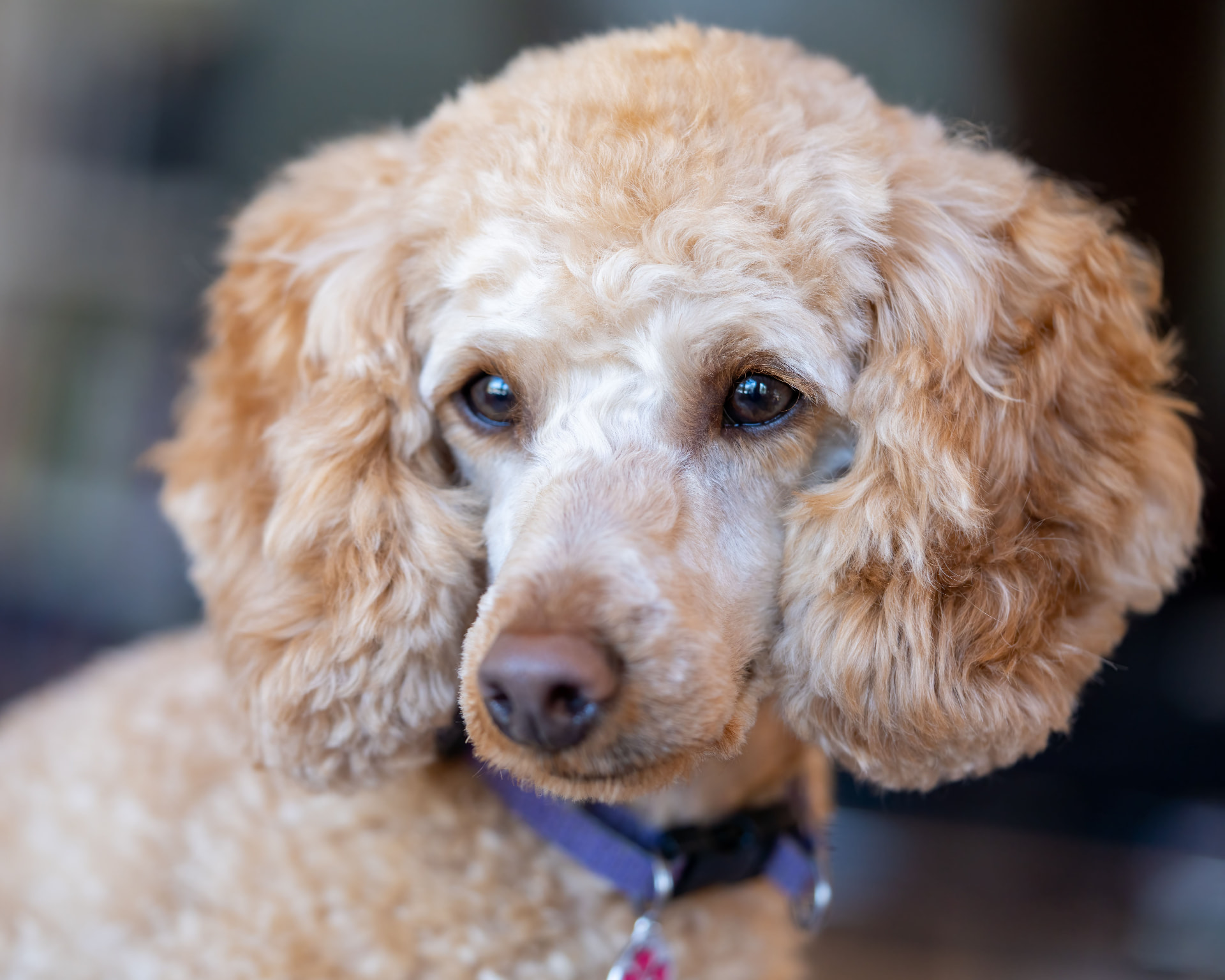
Poodle puppies face distinct first-year risks that make early insurance particularly relevant. Foreign body ingestion — swallowing toys, socks, or household items — is the most common puppy emergency, costing $1,500–$5,000 for surgical removal. Toy and Miniature Poodle puppies are also vulnerable to bone fractures from falls due to their delicate structure, with repair costs of $2,000–$5,000. [1][3]
Gastrointestinal infections, parvovirus exposure (treatment: $2,000–$5,000), and upper respiratory infections ($200–$500) are common in the first six months. Many of these conditions fall well within insurance coverage territory, meaning a puppy policy can pay for itself within the first year if even a single emergency occurs. [1][2]
Additionally, your puppy's first veterinary records establish the baseline that insurers use to evaluate future claims. A clean medical history at enrollment means no pre-existing condition flags — which becomes increasingly valuable as breed-specific conditions emerge later in life. [1][2]

Ready to Compare?
See which plans cover the conditions discussed above.
How Size Variety Affects Timing
The optimal enrollment timing varies slightly by Poodle size. Standard Poodle puppies should ideally be enrolled by 8–12 weeks — before rapid growth phase begins and before early hip evaluation at 4–6 months could flag orthopedic concerns. Gastropexy during spay/neuter (recommended for bloat prevention) should ideally be performed while covered. [1][2]
Miniature Poodle puppies benefit from enrollment before 16 weeks, as patellar luxation screening during early wellness visits could document findings that affect future coverage. Toy Poodle puppies should be enrolled as soon as possible given their vulnerability to fractures and hypoglycemic episodes — both of which can generate emergency bills in the first weeks at home. [1][2]
Across all sizes, the general principle is the same: enroll before your puppy's first comprehensive wellness exam if possible, and certainly before any specialty screening. Every veterinary note becomes part of the medical record that insurers review. [1][3]
First-Year Cost Scenarios: Insured vs. Uninsured
Consider two Standard Poodle puppies, both 10 weeks old. Owner A enrolls immediately at $42/month ($504/year). Owner B decides to wait. At 6 months, both puppies swallow a sock requiring surgical removal ($3,200). Owner A pays a $500 deductible plus 20% copay = $1,040 total. Owner B pays $3,200 out of pocket. [1][3]
At 14 months, both dogs show early signs of hip dysplasia. Owner A's insurer covers diagnostics and management since the condition developed after enrollment. Owner B enrolls now, but hip dysplasia is generally classified as pre-existing, which most insurers exclude. Over the dog's lifetime, this single timing difference could cost Owner B $10,000–$20,000 in uninsured orthopedic care. [1][2]
The takeaway is less dramatic than it sounds: the cost of waiting is rarely just a higher premium. It is the cumulative chance that something gets written into the chart before coverage starts, which can create a permanent gap that compounds over your Poodle's life. [1][3]
Our honest position: insurance is not the right answer for every household, and we do not think a puppy policy is a moral obligation. If you have the savings to absorb a $5,000 surgery without flinching, self-funding is a legitimate choice. What we would not do is wait six months, get a note about a wobbly knee at a routine visit, and then go shopping — that is the sequence that leaves owners stuck. Whatever you choose, read the pre-existing condition and hereditary waiting-period language in the actual policy document before you enroll, and confirm details with the carrier and your veterinarian. [1][2]
Cost of Waiting: Early vs Late Enrollment
| Enrollment Age | Monthly Premium | Annual Cost | 12-Year Total |
|---|---|---|---|
| 8 weeks | $35–$45 | $420–$540 | $5,040–$6,480 |
| 6 months | $38–$50 | $456–$600 | $5,472–$7,200 |
| 1 year | $42–$55 | $504–$660 | $6,048–$7,920 |
| 2 years | $50–$65 | $600–$780 | $7,200–$9,360 |
| 3 years | $55–$75 | $660–$900 | $7,920–$10,800 |
Based on Standard Poodle premium estimates. Early enrollment may reduce the likelihood of later exclusions tied to prior symptoms or diagnoses.

Frequently Asked Questions
Explore In-Depth Guides
Allen Lee, Founder, Best Dog Insurance LLC
Founder, Best Dog Insurance LLC · Published March 5, 2026 · 11 min read
Last reviewed June 11, 2026
Veterinary facts checked against AVMA and AKC breed health data · See our editorial standards
Editorial note
This article is intended as educational content for owners comparing policy terms, breed-specific health risks, and cost considerations. It is not veterinary, legal, or insurance advice.
Sources & citations
References supporting the health, insurance, and cost claims in this article.
Show 3 references
- ↗
[1]AVMA pet insurance overview
American Veterinary Medical Association
Policy terminology, reimbursement concepts, and consumer guidance.
- ↗
[2]NAPHIA industry data and pet insurance market reference
North American Pet Health Insurance Association
Premium context, claims framing, and insurance market conventions.
- ↗
[3]CHIC breed health testing guidance
Canine Health Information Center
Breed-specific screening standards and inherited-condition review.
Continue Reading
How Much Does Toy Poodle Insurance Cost? 2026 Price Guide
Toy Poodles may be small, but their insurance needs can still be meaningful. Here's a look at typical price ranges and the factors that tend to influence premiums.
Read article →GuidePet Insurance for Senior Poodles: Is It Too Late to Enroll?
Your Poodle is getting older and vet bills may be climbing. Is it too late for insurance? Here's a practical look at the trade-offs and common options.
Read article →GuidePet Insurance Waiting Periods Explained: A Poodle Owner's Guide
Waiting periods are one of the most misunderstood parts of pet insurance. Here's how they typically work for Poodle owners.
Read article →