
Poodle Health & Coverage Guide
Cushing's Disease in Poodles
Hyperadrenocorticism is a senior-dog diagnosis with a first-year cost most owners never see coming: testing, medication and repeated monitoring all stack in the same twelve months.
Prevalence
Moderate in senior small-breed dogs
Age of Onset
Typically 7–12 years
Diagnosis Cost
$500–$1,500 (screening, ACTH stimulation, ultrasound)
Treatment Cost
$60–$250/month for trilostane
Understanding Cushing's Disease
Cushing's disease (hyperadrenocorticism) is the overproduction of cortisol, usually driven by a small benign pituitary tumor and less often by an adrenal tumor. It is a condition of middle-aged and senior dogs, and Poodles, particularly Miniature and Toy Poodles, appear among the breeds mentioned with higher frequency. The signs creep in: drinking and urinating far more than usual, a ravenous appetite, a pot-bellied silhouette, thinning coat and heavy panting. Diagnosis takes more than one test, and treatment requires careful dose titration because the drugs deliberately suppress a hormone the body still needs.
Affected Poodle Sizes
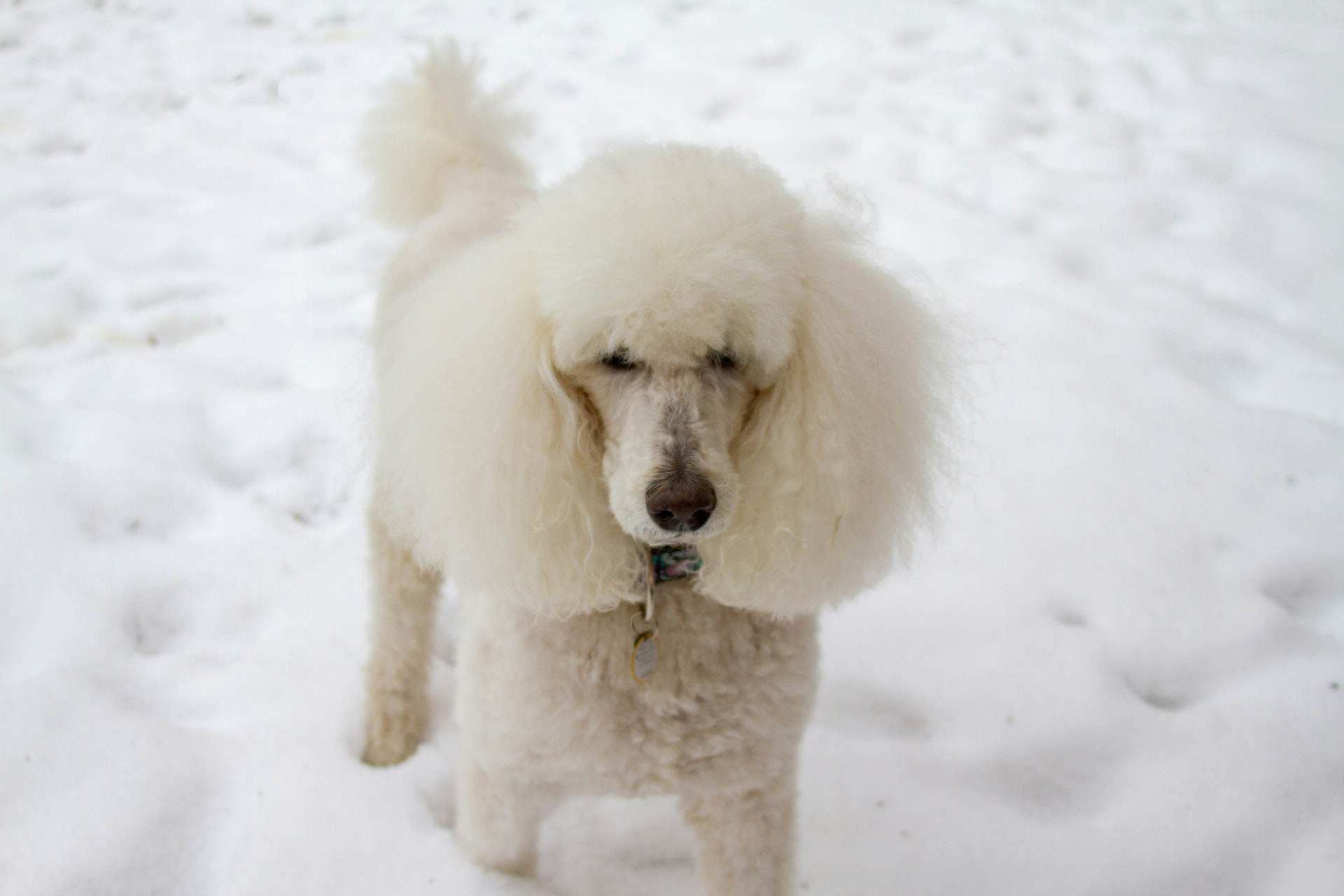
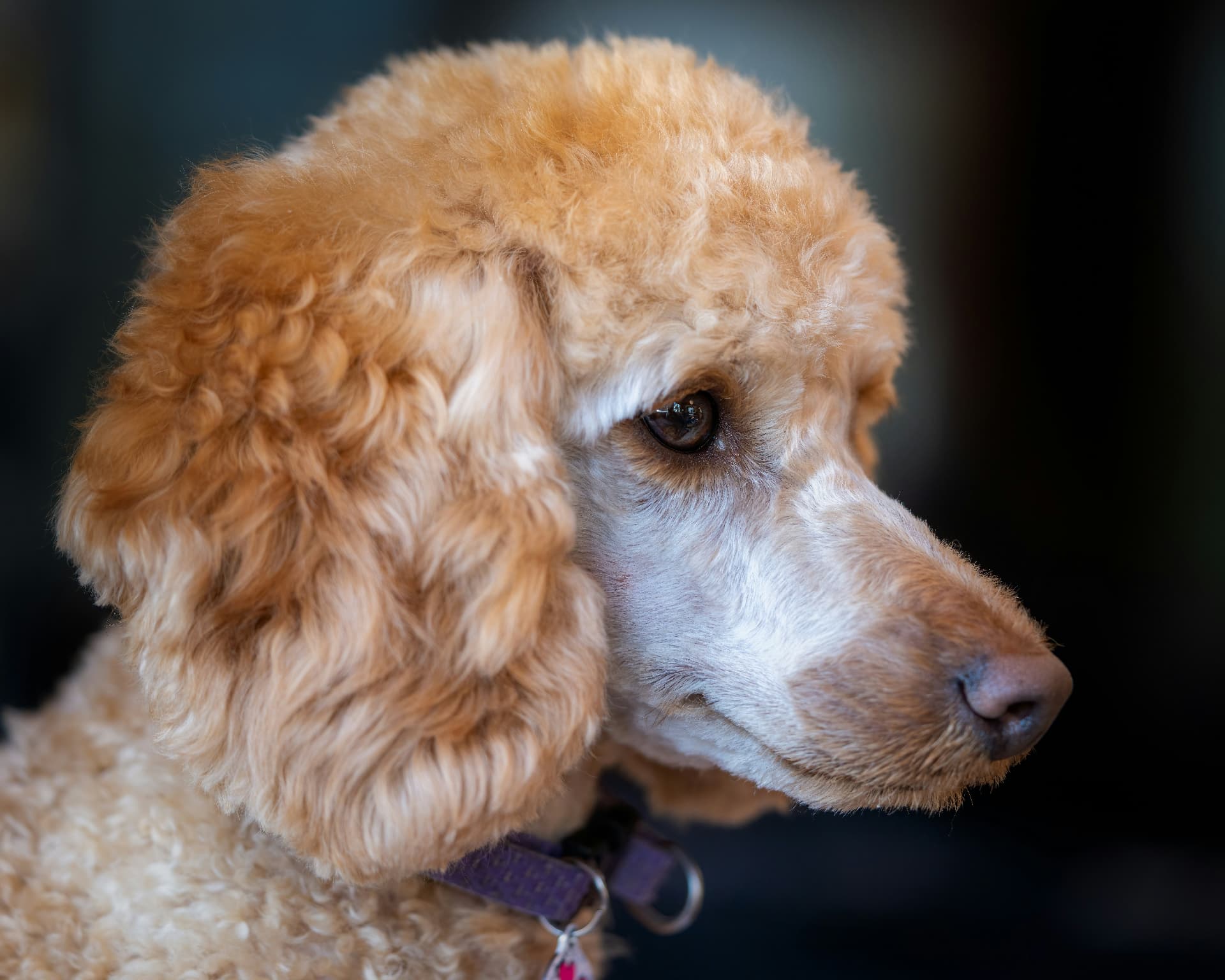
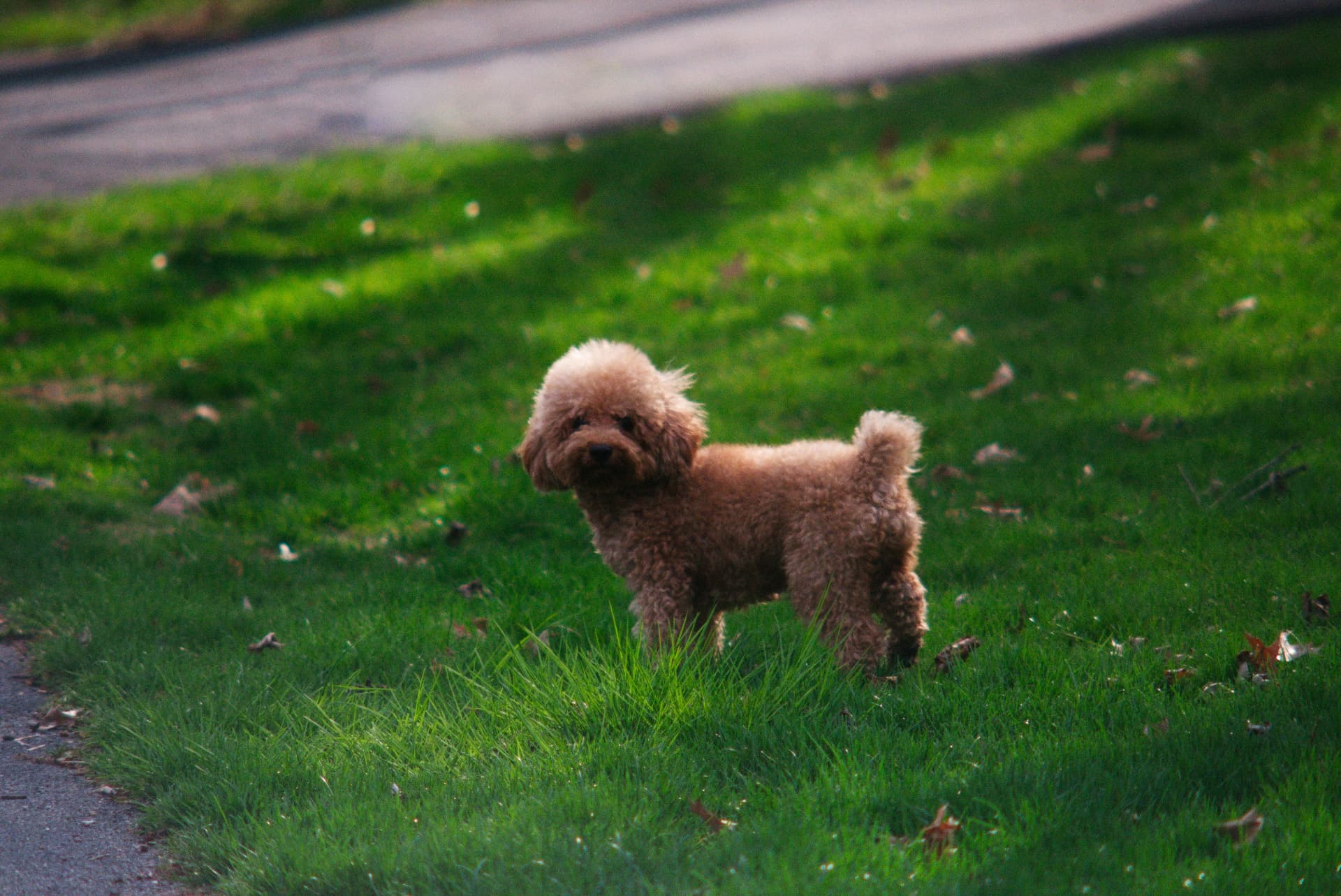
- Miniature Poodle (commonly cited)
- Toy Poodle (commonly cited)
- Standard Poodle (occurs)
Symptoms to Watch For
Dramatically increased thirst and urination, sometimes with new accidents indoors
Increased appetite and food-seeking behavior
Pot-bellied or sagging abdominal appearance
Thinning coat, symmetrical hair loss or slow regrowth after clipping
Excessive panting, including at rest
Thin skin, recurring skin infections and slow wound healing
Muscle weakness and reduced stamina
Treatment & Costs
Diagnosis usually requires a combination of bloodwork, urinalysis, a low-dose dexamethasone suppression or ACTH stimulation test at $200–$500 each, and often an abdominal ultrasound at $300–$700 to distinguish pituitary from adrenal disease. The most common medical treatment is trilostane, priced by weight at roughly $60–$250 per month. Dose titration requires repeat ACTH stimulation testing several times in the first year, then usually two to four times yearly. Adrenal tumors may be treated surgically at $3,000–$7,000 through a specialist. Total first-year spend commonly lands between $1,500 and $4,000.
Diagnosis
$500–$1,500 (screening, ACTH stimulation, ultrasound)
Treatment
$60–$250/month for trilostane
Ongoing
$400–$900/year in monitoring tests
Insurance Coverage
Many accident-and-illness plans may cover diagnostics, medication and monitoring for Cushing's disease when the condition is identified after enrollment and the waiting period has passed. Because diagnosis usually happens in senior years, the practical obstacle is not the wording but the timing: policies bought after the drinking and panting have already been mentioned to a vet will generally treat the illness as pre-existing. Some insurers also apply age-based enrollment limits or higher senior premiums. Coverage varies by insurer and policy.
Enroll years before the senior window: this is a 7-to-12-year-old diagnosis
Check the maximum enrollment age before assuming an older Poodle can be covered
Confirm that repeat ACTH stimulation testing counts as covered monitoring
Verify prescription medication is included in the base plan
Ask whether abdominal ultrasound is an eligible diagnostic
Prefer an annual limit that resets over a per-condition lifetime maximum
When to Insure
The realistic answer is long before symptoms. Because Cushing's typically appears after age seven and many insurers apply enrollment age limits or exclude anything already discussed with a veterinarian, a policy bought in a Poodle's first years is what makes senior endocrine care claimable at all.
Frequently Asked Questions
Related Poodle Health Conditions
Continue Your Research
Poodle Insurance
Breed-wide hub: plans, costs and state-by-state guides
Poodle Insurance Cost
Our master cost guide: real premium ranges by size and age
Standard Poodle Insurance
Size-specific coverage notes, risks and sample premiums
Poodle Insurance Providers
Feature-by-feature comparison of major pet insurers
Protect Your Poodle Against Cushing's Disease
Compare coverage options that include hereditary condition protection: before a diagnosis changes your options.
Advertiser disclosure: poodleinsurance.com is an independent comparison website, not an insurance company, agency, or producer. We do not sell, issue, or bind policies. We may earn a commission when you click carrier links, at no cost to you. Learn more about our review process.
Free Download
The Poodle Insurance
Buyer's Guide
Everything you need to know before choosing coverage: breed-specific risks, what to look for in a policy, and how pricing and coverage can vary by provider.
No spam, ever. Unsubscribe anytime.