
Poodle Thyroid Problems: Hypothyroidism Costs, Symptoms & Coverage Considerations
Thyroid disease can be overlooked in Poodles because symptoms often develop gradually. Here's a guide to common symptoms, treatment costs, and coverage questions.
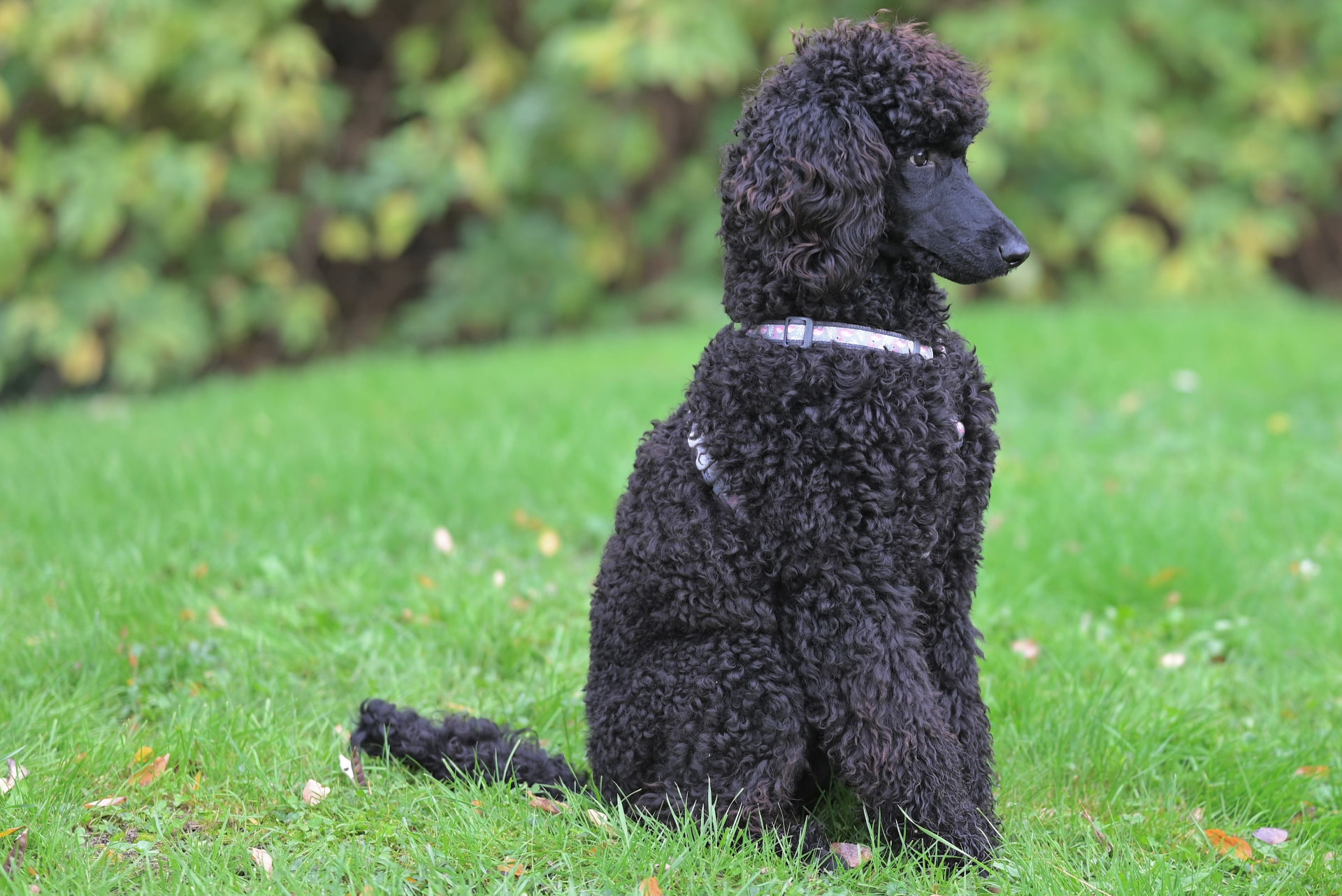
Why Poodles Are Prone to Thyroid Problems
Hypothyroidism — an underactive thyroid gland — is a well-documented endocrine disorder in Standard and Miniature Poodles. The condition occurs when the immune system attacks the thyroid gland (autoimmune thyroiditis), reducing hormone production. Breed prevalence estimates vary by study, but Poodles are commonly discussed as an at-risk breed. [1][2]
The condition typically develops between ages 2 and 6. Because symptoms appear gradually — slight weight gain, a dull coat, reduced energy — many owners don't recognize the problem until it's advanced. This delay makes early screening and comprehensive insurance coverage particularly important for Poodle owners. [1][2]
Recognizing Hypothyroidism Symptoms in Poodles
Early signs include unexplained weight gain despite normal feeding, cold intolerance (seeking warm spots more than usual), a thinning or dull coat, lethargy and reduced interest in play, and recurring skin or ear infections. In Poodles specifically, coat changes are often the first noticeable symptom — the normally curly, dense coat may become sparse, dry, or brittle. [1][2]
Advanced symptoms include significant hair loss (especially on the trunk and tail), thickened skin, chronic ear infections, slowed heart rate, and behavioral changes including anxiety or aggression. If your Poodle shows any combination of these symptoms, request a full thyroid panel from your veterinarian — a simple blood test can confirm the diagnosis. [1][2]

Diagnosis and Testing Costs
A complete thyroid panel typically costs $150–$300 and includes T4, Free T4, T3, Free T3, and thyroglobulin autoantibody (TgAA) tests. Many veterinarians start with a basic T4 screening ($45–$80), but for Poodles, the full panel is recommended because basic T4 alone misses early or borderline cases approximately 30% of the time. [1][2]
The OFA recommends annual thyroid screening for breeding Poodles, and some pet owners also discuss baseline testing around age 2 with follow-up testing every 1–2 years. Many accident-and-illness policies may cover diagnostic testing when symptoms are present, depending on plan terms. [1][2]
Related Reading
Coverage for Your Poodle
Compare plans that cover breed-specific conditions.
Review coverage options for hereditary risks like Addison's, hip dysplasia, and more — no obligation.
Advertiser disclosure: poodleinsurance.com is an independent comparison website — not an insurance company, agency, or producer. We do not sell, issue, or bind policies. We may earn a commission when you click carrier links, at no cost to you. Learn more about our review process.
Lifetime Treatment Costs
Hypothyroidism is a lifelong condition requiring daily medication. The primary treatment is synthetic thyroid hormone (levothyroxine), which costs $20–$50 per month depending on your Poodle's size and dosage. Annual monitoring bloodwork adds $150–$300 per year. Total annual cost: $390–$900 for medication and monitoring combined. [1][2]
Over a Poodle's lifetime (12–15 years for Miniatures, 10–13 for Standards), total thyroid treatment costs range from $3,000 to $10,000+. This doesn't include treatment for secondary conditions that hypothyroidism can cause — including skin infections ($200–$500 per episode), obesity-related joint problems, and cardiac complications in severe cases. [1][2]
Ready to Compare?
See which plans cover the conditions discussed above.
What Insurance Covers for Thyroid Conditions
Most comprehensive pet insurance plans cover hypothyroidism as long as the condition develops after the policy's waiting period and isn't considered pre-existing. Key coverage elements to verify: diagnostic bloodwork and thyroid panels, daily medication (levothyroxine), follow-up monitoring appointments, and treatment for secondary conditions caused by hypothyroidism. [1][2]
Important policy details to check: Some insurers classify hypothyroidism as a hereditary or breed-related condition, so review how exclusions are written. Also compare per-condition caps and deductible structure, since chronic conditions such as thyroid disease can generate recurring costs. [1][2]
Choosing the Right Policy for Thyroid Coverage
When comparing insurers, review whether hereditary and endocrine conditions are covered without breed-specific exclusions. Useful features to compare include chronic-condition renewals, per-condition or per-incident limits, prescription medication reimbursement, and diagnostic testing such as bloodwork. [1][2]
Enrolling your Poodle before thyroid symptoms appear may reduce the chance that hypothyroidism is later treated as pre-existing. Early enrollment can also mean lower premiums than enrolling later, although exact pricing and waiting periods vary by provider. [1][2]
Hypothyroidism Cost Breakdown
| Item | Cost Range | Frequency |
|---|---|---|
| Basic T4 screening | $45–$80 | Annual |
| Full thyroid panel | $150–$300 | At diagnosis + monitoring |
| Levothyroxine (monthly) | $20–$50 | Monthly (lifelong) |
| Monitoring bloodwork | $150–$300 | Every 6–12 months |
| Annual total (treatment) | $390–$900 | Ongoing |
| Lifetime cost (10–15 years) | $3,000–$10,000+ | Total |
Costs vary by Poodle size, geographic location, and veterinary clinic. Secondary conditions (skin infections, joint problems) add additional costs.
Frequently Asked Questions
Explore In-Depth Guides
Allen Lee, Founder, Best Dog Insurance LLC
Founder, Best Dog Insurance LLC · Published March 16, 2026 · 7 min read
Last reviewed July 6, 2026
Veterinary facts checked against AVMA and AKC breed health data · See our editorial standards
Editorial note
This article is intended as educational content for owners comparing policy terms, breed-specific health risks, and cost considerations. It is not veterinary, legal, or insurance advice.
Sources & citations
References supporting the health, insurance, and cost claims in this article.
Show 4 references
- ↗
[1]Merck Veterinary Manual internal medicine reference
Merck Veterinary Manual
Clinical background for endocrine, gastrointestinal, and chronic disease topics.
- ↗
[2]PubMed veterinary literature reference
PubMed
Published veterinary research and prevalence context for breed-related conditions.
- ↗
[3]AKC Poodle breed health reference
American Kennel Club
Breed background, health risks, and Poodle-specific context.
- ↗
[4]AVMA pet insurance overview
American Veterinary Medical Association
Policy terminology, reimbursement concepts, and consumer guidance.
Continue Reading
Poodle Health Guide: Common Conditions and Cost Considerations
Poodles are elegant and intelligent, but their refined genetics come with specific health vulnerabilities. Here's everything you need to know to protect your companion.
Read article →HealthAddison's Disease in Poodles: Costs and Coverage Considerations
Addison's disease can be one of the more expensive health risks for Poodle owners. Here's what to look for when reviewing coverage details.
Read article →HealthPoodle Hip Dysplasia: Treatment Options, Costs & Coverage Considerations
Hip dysplasia can be one of the more expensive conditions Standard Poodle owners face. Here's what treatment may cost and what policy details to review.
Read article →