
Poodle Heart Disease: Types, Treatment Costs & Insurance Coverage
Heart disease is an important health topic for Poodles. From murmurs to cardiomyopathy, here's what cardiac care can cost and what coverage questions to review.
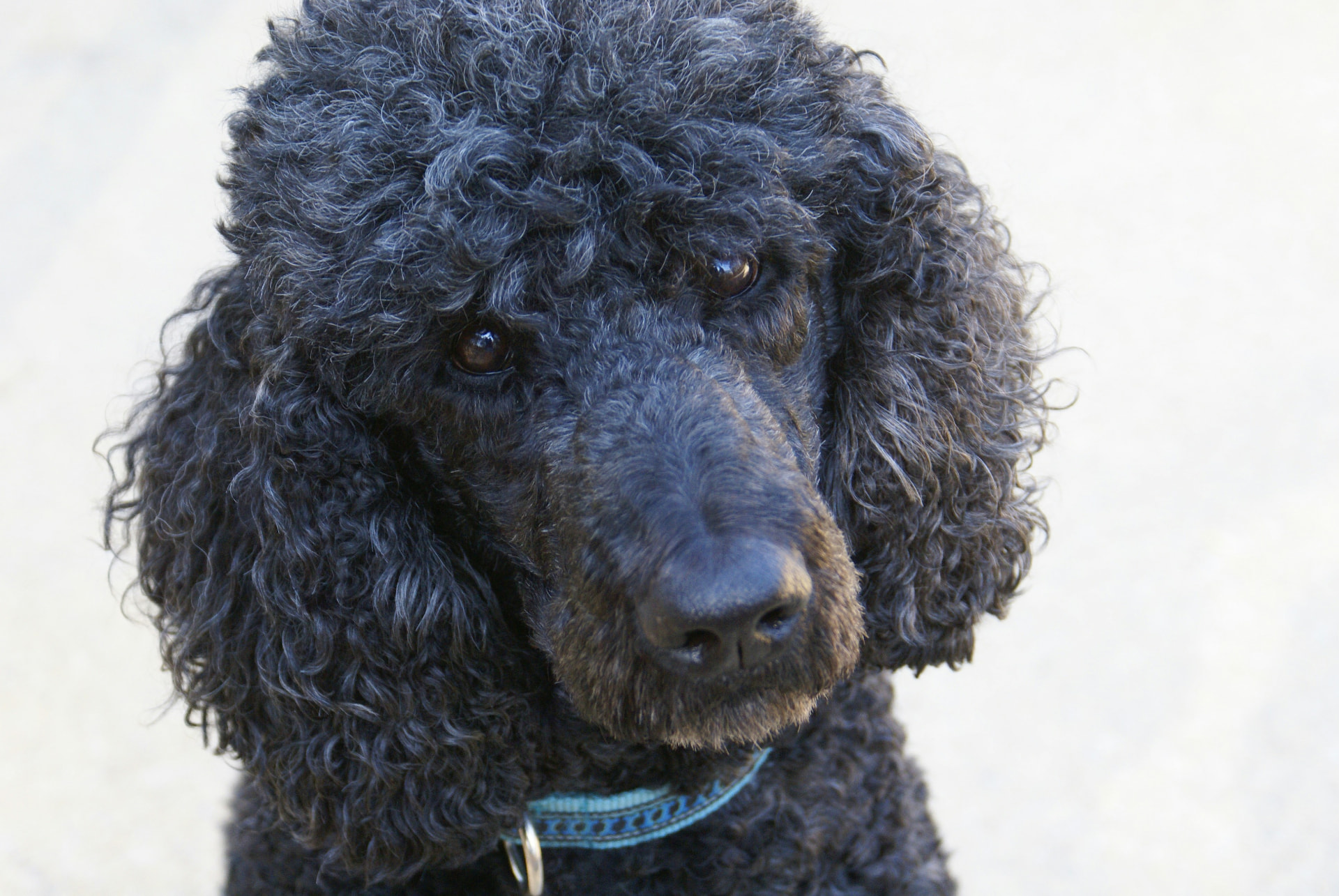
Cardiac Conditions in Poodles by Size
Heart disease presents differently across Poodle sizes. Standard Poodles are predisposed to dilated cardiomyopathy (DCM) and subvalvular aortic stenosis (SAS). Miniature Poodles face mitral valve disease (MVD) at higher rates than many breeds. Toy Poodles are susceptible to patent ductus arteriosus (PDA) — a congenital heart defect detectable in puppyhood. [1][2]
The Orthopedic Foundation for Animals reports cardiac abnormalities in approximately 3–5% of tested Poodles. While this percentage appears modest, cardiac conditions can still generate $5,000–$20,000+ in lifetime costs, so some owners compare coverage terms for cardiology care. [1][2]
Dilated Cardiomyopathy (DCM) in Standard Poodles
DCM weakens the heart muscle, reducing its ability to pump blood effectively. Standard Poodles have a known genetic predisposition. Symptoms include exercise intolerance, coughing, rapid breathing, and collapse. DCM typically develops between ages 4–8. [1][2]
Diagnosis requires echocardiography ($400–$800), ECG ($200–$400), and chest X-rays ($200–$400). Management includes cardiac medications like pimobendan ($50–$150/month), diuretics ($20–$50/month), and ACE inhibitors ($20–$40/month). Total annual management costs: $1,500–$4,000. With early detection, some dogs live 1–3 years with good quality of life. When comparing policies, review whether ongoing cardiac medications and follow-up care are covered and whether annual limits apply. [1][2]

Mitral Valve Disease (MVD)
MVD — progressive deterioration of the heart's mitral valve — affects Miniature and Toy Poodles more frequently than Standards. The valve develops leaks over time, causing the heart to enlarge. Early stages are often detected as a heart murmur during routine veterinary exams. [1][2]
Treatment progression: Stage A (at-risk, no murmur): monitoring only — annual echocardiograms $400–$600. Stage B (murmur, no symptoms): echocardiograms every 6–12 months, possible pimobendan $50–$100/month. Stage C (congestive heart failure): multiple medications $150–$300/month, frequent vet visits. Stage D (refractory heart failure): advanced medications $200–$400/month, possible hospitalization $2,000–$5,000. Lifetime MVD costs: $5,000–$25,000. [1][2]
Related Reading
Coverage for Your Poodle
Compare plans that cover breed-specific conditions.
Review coverage options for hereditary risks like Addison's, hip dysplasia, and more — no obligation.
Advertiser disclosure: poodleinsurance.com is an independent comparison website — not an insurance company, agency, or producer. We do not sell, issue, or bind policies. We may earn a commission when you click carrier links, at no cost to you. Learn more about our review process.
Patent Ductus Arteriosus (PDA) in Toy Poodles
PDA is a congenital defect where a fetal blood vessel fails to close after birth. Toy and Miniature Poodles have elevated PDA rates. It is often detected via heart murmur at an early puppy visit. When diagnosed early, surgical correction may have favorable outcomes in many cases. [1][2]
Traditional surgical ligation costs $2,500–$5,000. Minimally invasive catheter-based closure runs $3,500–$7,000 but offers faster recovery. Without correction, PDA leads to heart failure within 1–2 years. This is one of the strongest arguments for insuring Poodle puppies immediately — a PDA diagnosis before enrollment becomes an excluded pre-existing condition. [1][2]

Ready to Compare?
See which plans cover the conditions discussed above.
Cardiac Screening and Prevention
Annual cardiac screening is recommended for all Poodles starting at age 1. A basic cardiac exam by your regular veterinarian ($50–$100) can detect murmurs. If a murmur is found, referral to a veterinary cardiologist ($300–$500 consultation) with echocardiography ($400–$800) confirms the diagnosis and grade. [1][2]
Prevention is limited since most Poodle cardiac conditions are genetic. However, maintaining ideal body weight, providing moderate regular exercise, and feeding a heart-healthy diet (adequate taurine and L-carnitine) supports cardiovascular health. Some veterinarians recommend omega-3 fatty acid supplementation ($15–$30/month) for breeds with cardiac predisposition. [1][2]
Insurance Coverage for Poodle Heart Conditions
Many accident-and-illness pet insurance plans cover cardiac conditions as hereditary or congenital disorders, but policy details vary. Coverage features to compare include echocardiography and advanced cardiac imaging, cardiologist referrals, ongoing cardiac medication, emergency hospitalization for heart failure, and congenital defect coverage (for PDA). [1][2]
Enrollment timing can affect how heart-related findings are treated. If your veterinarian detects a heart murmur before insurance is active, related cardiac conditions may later be treated as pre-existing. For breeding Poodle buyers, request cardiac clearance certificates from the breeder (such as an OFA cardiac evaluation) and compare insurance options as early as practical. [1][2]
Poodle Cardiac Condition Treatment Costs
| Condition | Poodle Size | Diagnosis | Annual Treatment |
|---|---|---|---|
| Dilated Cardiomyopathy (DCM) | Standard | $800–$1,600 | $1,500–$4,000 |
| Mitral Valve Disease (Stage B) | Mini/Toy | $400–$600 | $600–$1,200 |
| Mitral Valve Disease (Stage C) | Mini/Toy | $400–$600 | $1,800–$3,600 |
| Patent Ductus Arteriosus (PDA) | Toy/Mini | $300–$600 | $2,500–$7,000 (surgery) |
| Subvalvular Aortic Stenosis | Standard | $400–$800 | $1,000–$3,000 |
Lifetime cardiac costs for affected Poodles typically range from $5,000 to $25,000+.
Frequently Asked Questions
Allen Lee, Founder, Best Dog Insurance LLC
Founder, Best Dog Insurance LLC · Published March 16, 2026 · 7 min read
Last reviewed July 10, 2026
Veterinary facts checked against AVMA and AKC breed health data · See our editorial standards
Editorial note
This article is intended as educational content for owners comparing policy terms, breed-specific health risks, and cost considerations. It is not veterinary, legal, or insurance advice.
Sources & citations
References supporting the health, insurance, and cost claims in this article.
Show 4 references
- ↗
[1]Merck Veterinary Manual cardiology reference
Merck Veterinary Manual
Heart disease types, diagnostics, and treatment context.
- ↗
[2]PubMed veterinary literature reference
PubMed
Published veterinary research and prevalence context for breed-related conditions.
- ↗
[3]AKC Poodle breed health reference
American Kennel Club
Breed background, health risks, and Poodle-specific context.
- ↗
[4]AVMA pet insurance overview
American Veterinary Medical Association
Policy terminology, reimbursement concepts, and consumer guidance.
Continue Reading
Poodle Health Guide: Common Conditions and Cost Considerations
Poodles are elegant and intelligent, but their refined genetics come with specific health vulnerabilities. Here's everything you need to know to protect your companion.
Read article →HealthAddison's Disease in Poodles: Costs and Coverage Considerations
Addison's disease can be one of the more expensive health risks for Poodle owners. Here's what to look for when reviewing coverage details.
Read article →HealthPoodle Hip Dysplasia: Treatment Options, Costs & Coverage Considerations
Hip dysplasia can be one of the more expensive conditions Standard Poodle owners face. Here's what treatment may cost and what policy details to review.
Read article →